

Structural characterization of carotenoid binding proteins

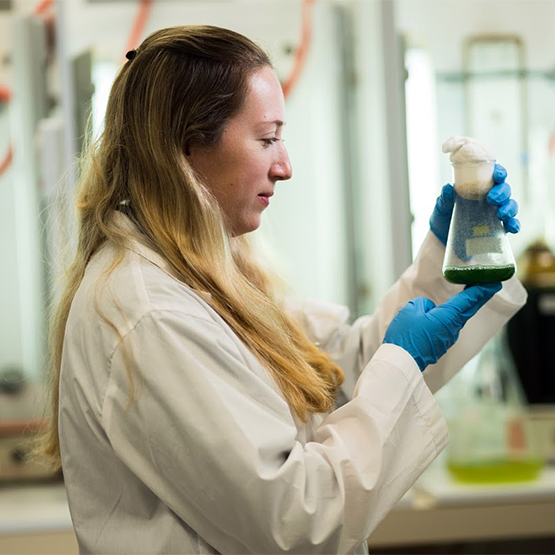
My research is focused on the structural characterization of carotenoid-binding proteins in cyanobacteria through various methods like biochemical analysis, genetic engineering, and X-ray crystallography. Carotenoid-binding proteins are essential for the photoprotection process that occurs when cyanobacteria are exposed to excess light.
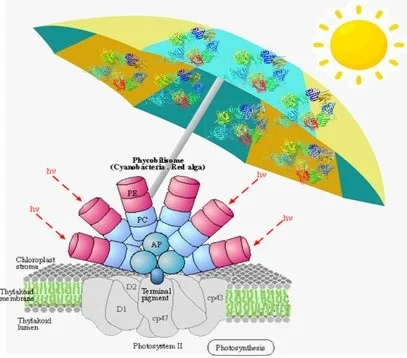
The orange carotenoid protein (OCP) plays a crucial role in this process by dissipating the absorbed light energy as heat. The OCP physically attaches to the phycobilisome (PBS), preventing energy transfer to the photosynthetic reaction centers (RCs).
The OCP contains two domains - an active N-terminal domain (NTD) and a regulatory C-terminal domain (CTD). Homologs of the CTD (CTDH) are suggested to uptake carotenoids from the thylakoid membrane and transfer the carotenoid to helical carotenoid proteins (HCPs), which are paralogs of the NTD.
Holo-HCPs have various functions such as carotenoid carriers, singlet oxygen quenchers, and energy quenching proteins. However, some of their unique crystal structures have not been solved yet. Our primary objectives are to determine the high-resolution crystal structures of the holo/apo-OCP homologs and investigate the mechanism of carotenoid binding and transfer from membranes.
Crystal Structures Deposited in the Protein Data Bank (PDB
In our research on carotenoid-binding proteins involved in cyanobacterial photoprotection, we have determined and deposited several crystal structures in the PDB.
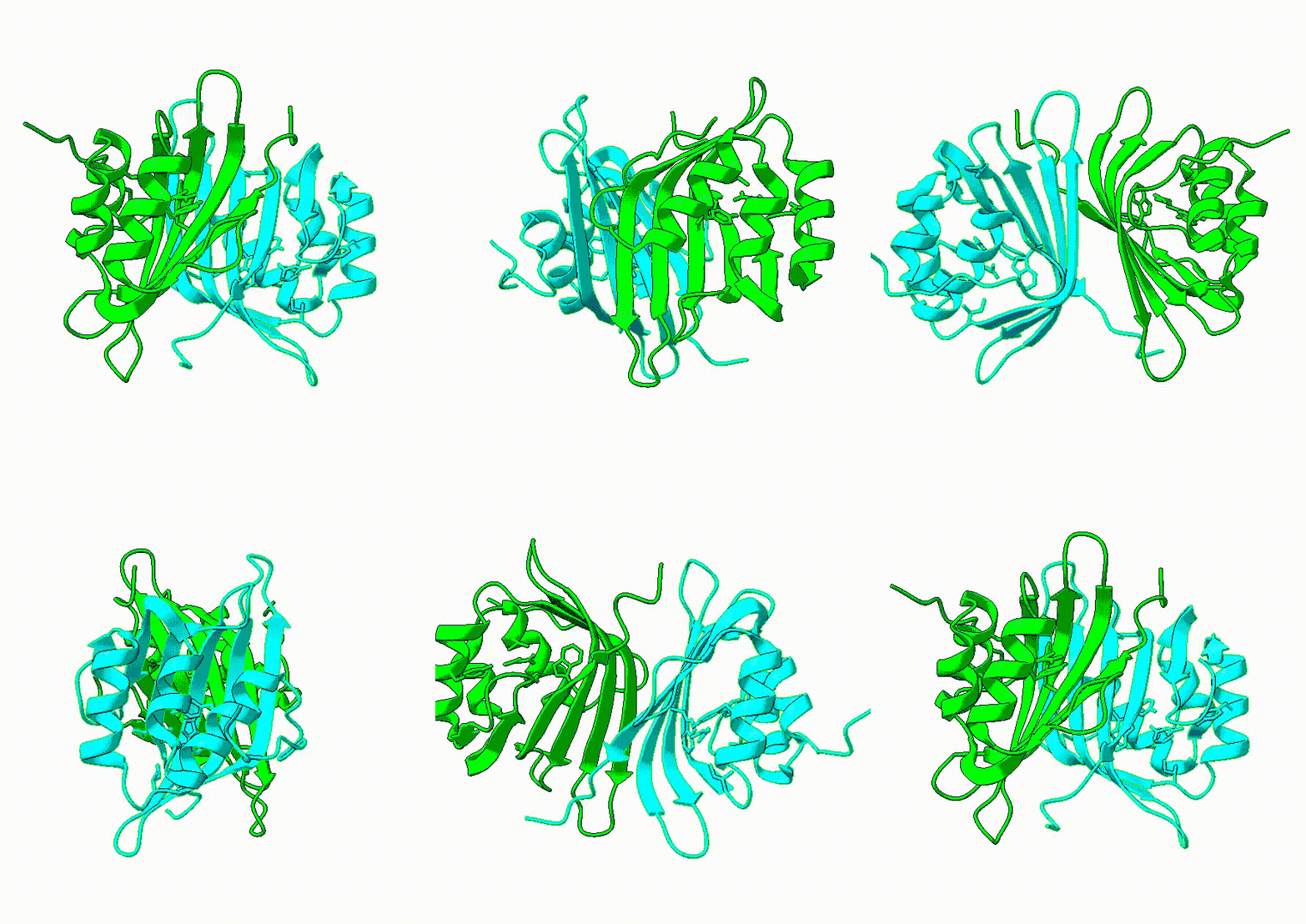
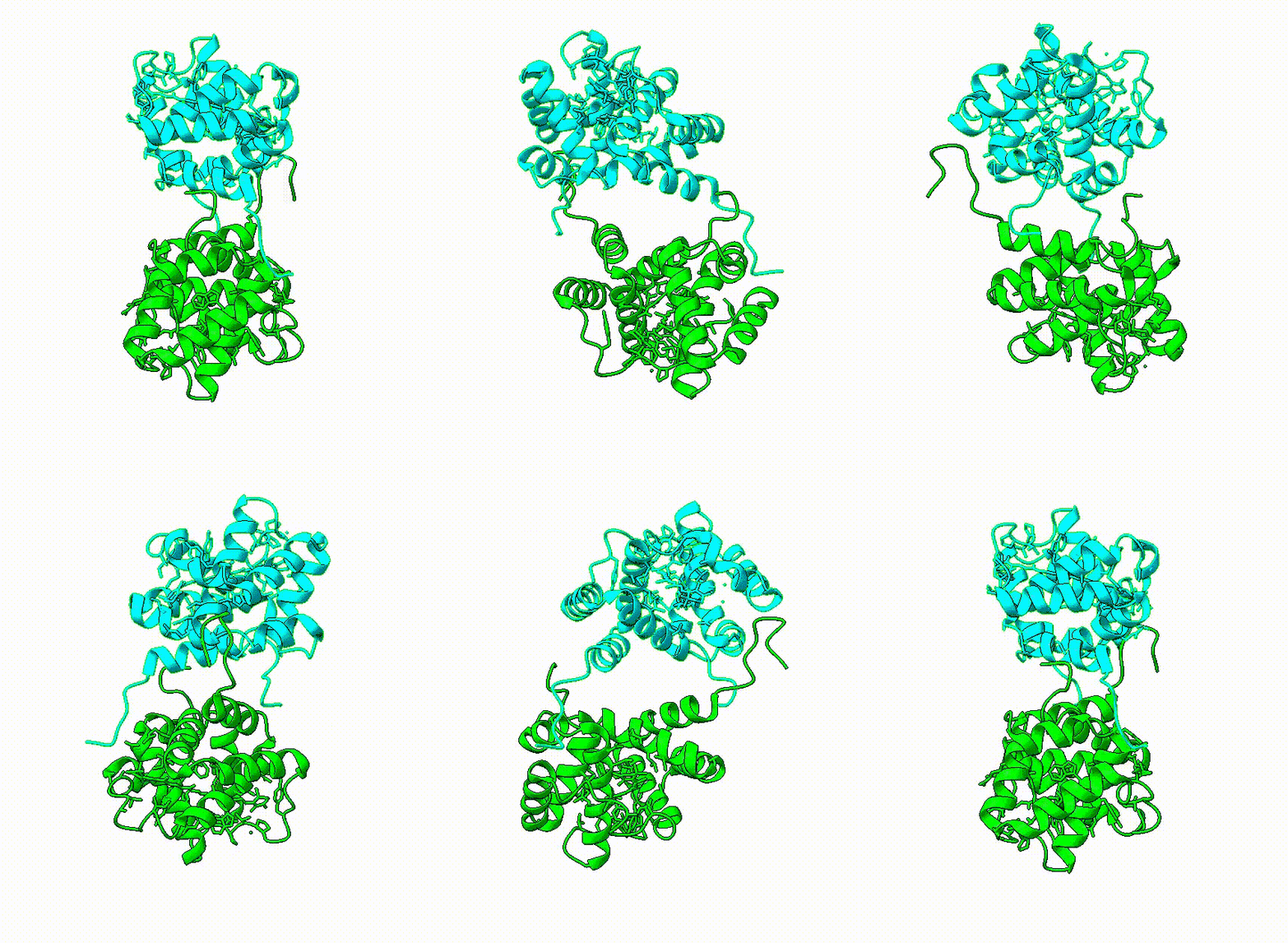
In our publication, “Insights into energy quenching mechanisms and carotenoid uptake by orange carotenoid protein homologs: HCP4 and CTDH,” we presented the first crystal structure of holo-HCP4 bound to the carotenoid canthaxanthin (PDB: 8QX5) and an improved crystal structure of apo-CTDH from Anabaena sp. PCC 7120 (PDB: 8QX7). These structures provided important insights into carotenoid binding and energy quenching by HCP4, and enabled us to propose structural models for the interaction of HCP4 with the PBS and the associated energy-quenching mechanism.
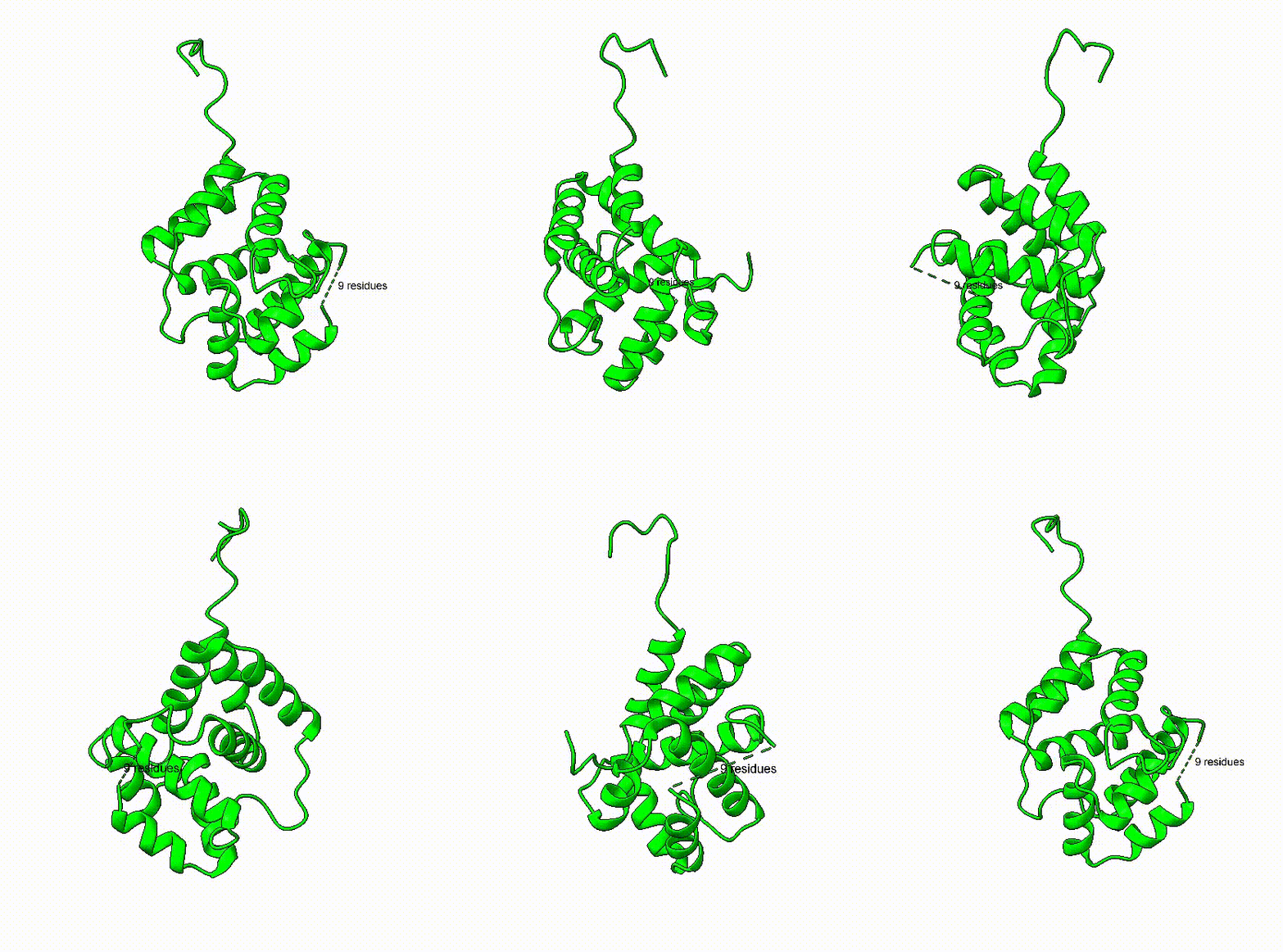
Our subsequent study, “The apo-HCP4 structure reveals facets of carotenoid uptake,” presented the first crystal structure of apo-HCP4 from Anabaena sp. PCC 7120 (PDB: 9H41). Comparison of the apo- and holo-HCP4 structures revealed substantial conformational differences in the overall structure and the carotenoid-binding cavity.
9R84
The C103F Mutant of Apo-C-Terminal Domain Homolog of the Orange Carotenoid Protein (CTDH) from Anabaena

8QX7
Apo-C-Terminal Domain Homolog of the
Orange Carotenoid Protein from Anabaena
at a resolution of 1.95 Å
8QX5
Helical Carotenoid Protein 4 (HCP4) from Anabaena with bound Canthaxanthin
9H41
8OZO
Populus tremula stable protein 1 with N-terminal binding peptide extension

8OZS
Populus tremula stable protein 1 with N-terminal binding peptide extension with hemin

8OZ4
Helical Carotenoid Protein 4 (HCP4) from Anabaena with bound Canthaxanthin

Latest Publication:
The apo-HCP4 structure reveals facets of carotenoid uptake
Jenia's Researchgate
Jenia's
Google Scholar
Profile
Jenia's
Linkedin Profile