
Molecular Transport Systems

Determination of the structures of proteins involved in molecular transport
Every cell produces thousands of molecules – DNA, RNA, proteins, metabolites, etc. Others that it needs for its survival must be brought into the cell from the outside, through cell walls and membranes: ions, water, nutrients, etc.
Many of these molecules from the outside are imported via sophisticated transport systems – which can be controlled by the cell to ensure that only the correct molecules get in, and only at the right amount.
Indeed, many viruses hijack the import systems to invade our cells.
We are interested in many such transport systems, trying to understand how they differentiate between similar ions or molecules: for instance, how can similar systems differentiate between zinc or manganese divalent cations, that are chemically similar?
We have recently been interested in one such transport system that is connected to another area of interest – proteins involved in protection from light stress.
These proteins require the uptake of a special hydrophobic molecule called a carotene.
The carotene is found in the membranes of the cells – but must arrive at its destination – a soluble protein.
It turns out that a complex multi-protein system is required to control the transport of this carotene. We are solving the structure of different components of this system to elucidate the entire pathway.
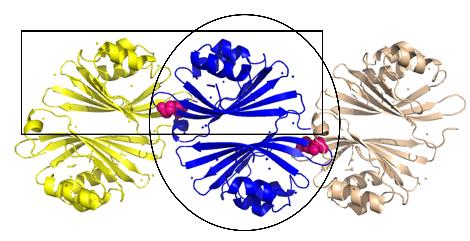
Molecular transport systems
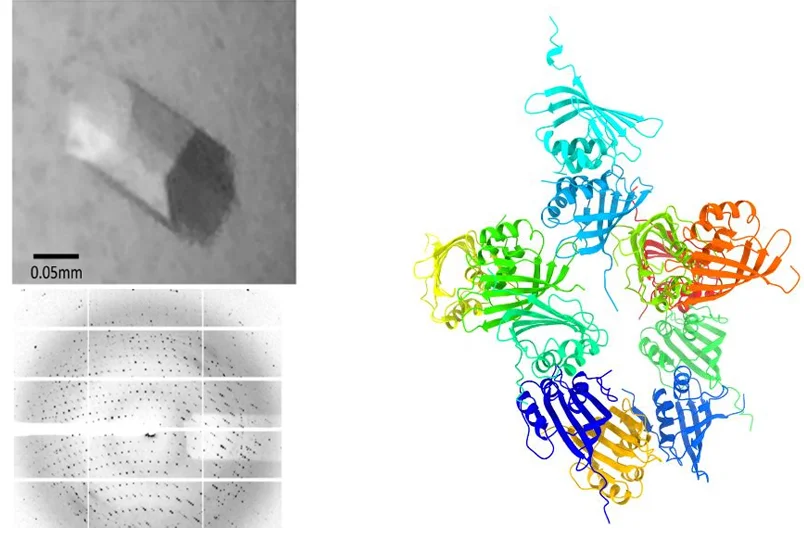
The CTDH protein uptakes carotenoid from the membrane. Top left, CTDH crystal. Top right, X-ray diffraction pattern collected at the ESRF synchrotron in Grenoble. Bottom, the resulting CTDH structure
Molecular Transport Systems

All Rights Reserved@2026
Created by The Schulich Faculty of Chemistry, Technion.
Prof. Noam Adir thanks warmly to Nitzan Zohar Photography for the photos.